
The Health Foundation recently highlighted the lack of joined-up data between housing and health. Together with the Government’s increasing focus on neighbourhood health and prevention, it made me think about how fragmented, or even absent, support often is during big life changes, despite how much they can affect people’s quality of life.
Moving home, becoming a parent, illness, caring responsibilities, separation, ageing or work changes can all affect mental and physical health, finances, relationships and identity at the same time. Yet support is often approached through separate disciplines, sectors and markets. Some help is only available once people reach crisis point; other services are at the more expensive end of property or lifestyle support, with relatively little in between.
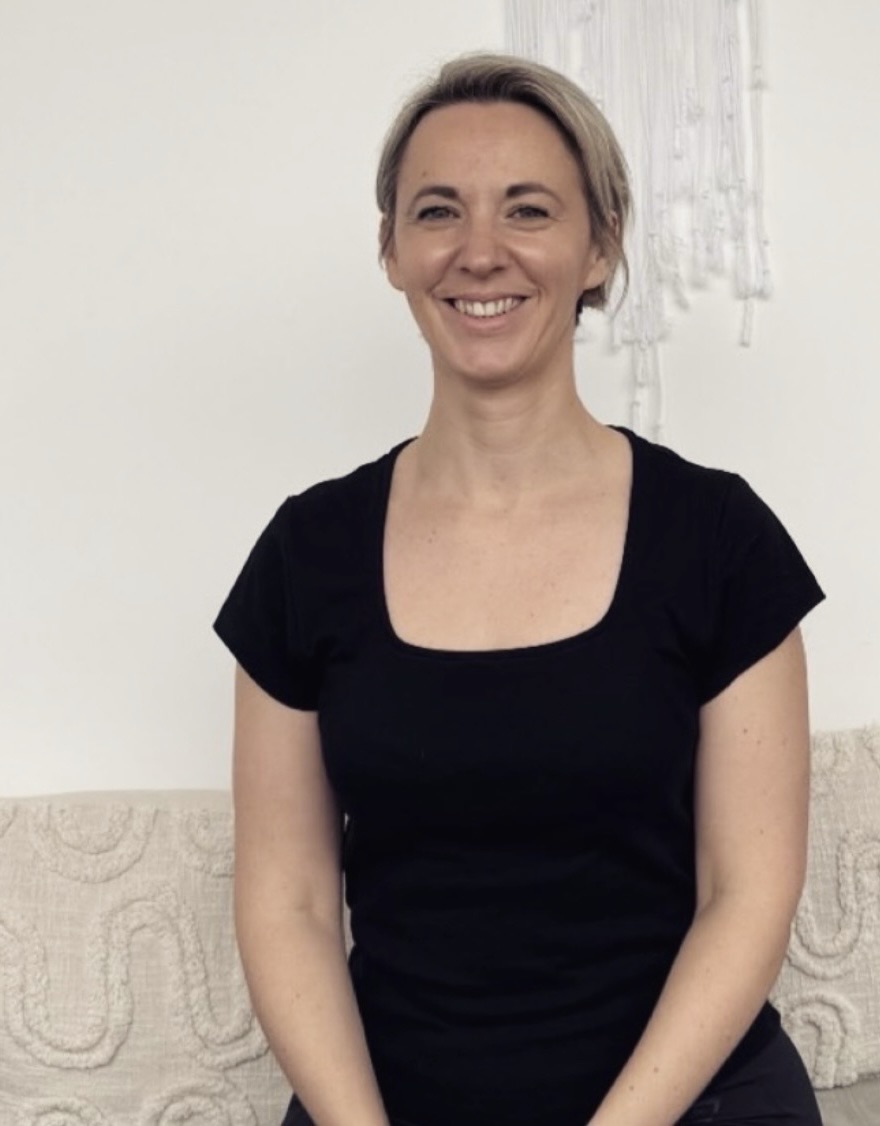
My own ideas and services have grown out of a varied background across place and planning consultancy linked to public sector projects; housing, culture and governance research, and consumer-facing work connected to establishing an estate agency with a more personable approach. After experiencing a spinal fracture due to Pregnancy Associated Osteoporosis, I reassessed my own relationship with work, health and home and began developing a more integrated approach around life transitions, moving home and wellbeing.
Part of the challenge is that many of these experiences don’t fit neatly into existing sectors. Home is pivotal to many aspects of life, yet is often treated primarily as a transaction or practical necessity rather than part of the wider social infrastructure that influences people’s health, stability, relationships, sense of identity and access to opportunity.
Where and how we live can affect daily routines, social connection, financial pressure, independence and whether people feel settled and grounded during change. Moving home is therefore rarely just a logistical process. It’s often a key consideration when getting older, becoming a parent, experiencing illness, separation or grief, going through work changes or reassessing how you want to live.
Many services understandably approach these experiences through separate specialisms or practical processes, despite the fact that people often experience them as deeply personal, practical and emotional all at once.
The area I’ve gradually found myself working in is somewhere between practical support, reflective planning conversations and helping people feel calmer and more able to move through change.
There have been many iterations of place-based and neighbourhood approaches over the years. What seems different now is the level of pressure on the system, with more people living longer with complex health conditions, rising housing and living costs, stretched public services and increasing levels of stress, burnout and isolation across all age groups.
Some of my earlier consultancy work included invest-to-save business cases linked to housing and ageing, including the role suitable extra care housing can play in helping people remain active, connected and healthier for longer, potentially preventing crisis moves into residential care following a fall or health decline.
But often the move into a more suitable home or environment doesn’t happen early enough. People can feel emotionally overwhelmed, isolated, fearful of change or reluctant to leave what they know, even when their current situation is becoming difficult to manage. Someone’s home encompasses identity, memories, routines and a sense of continuity, which can make change feel emotionally complex even when someone knows practically that they may need different support or surroundings.
A lot of discussion around community health focuses on prevention, behaviour change and reducing pressure on services, and rightly so. But I think it also raises wider questions around social connection, trust, belonging and how people cope during periods of change in everyday life, particularly older people or those living alone.
Someone recently told me that after redundancy their partner took on work as a supermarket delivery driver and was shocked by the level of loneliness and isolation they encountered, particularly among older people, including those who appeared financially comfortable. It reflects something broader about life now and raises questions about who supports people day to day outside formal services, particularly those who may not be online much, leave the house regularly or have strong support networks around them.
While government, healthcare and voluntary organisations already do a huge amount in this area, much of the available support is focused around crisis, clinical need or lower-income circumstances. At the same time, many private services fall within either transactional property support or the higher-cost end of lifestyle and wellbeing markets.
There seems to be relatively little between these areas for people who may be coping on the surface but still feeling isolated, stuck or in need of support that feels more connected when going through change. Many people also assume government or voluntary support is “not really for someone like me,” even when struggling in some way.
With rising housing and living costs, increasing pressure on public services and growing levels of stress and isolation, there also seem to be more people who fall somewhere in the middle: not in immediate crisis but still struggling with change, uncertainty or lack of support during difficult periods of life.
I’m interested in whether more local and possibly self-employed forms of support could function more closely with existing services, including through community-based networks, national consumer service platforms, partnerships or referral models that connect people with vetted individuals working locally across wellbeing, home and life transitions.
Potentially, this could also create more flexible and meaningful forms of local work, while offering more accessible support than centralised companies, public services, charities or higher-cost private providers alone.
Many of the people I speak to are functioning on the surface while feeling a bit out of control, alone or held back. Often what helps people move forward is having someone impartial to work through this with, balancing reflection and practical action to help change feel possible and sustainable.
 Home
Home 
Leave a comment