
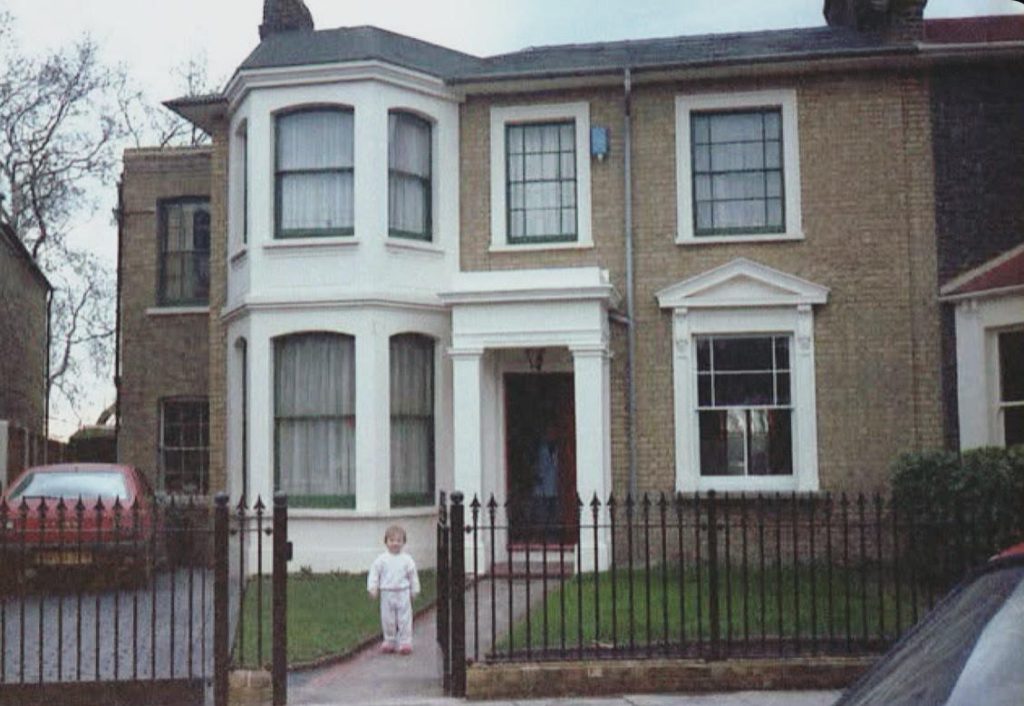
A child in front of their home, a reminder of beginnings and the emotional weight of leaving what we know
Moving home on your own can feel daunting. Whether you’re starting a new chapter or creating a home that suits your current life, it’s normal to feel anxious or even isolated. Life circumstances – health challenges, redundancy, becoming a parent, grieving a loved one, children leaving home, or changes in your sense of identity – can make the process feel even more complex.
Acknowledging these challenges is important. They are part of your story and inform the way you approach change. At the same time, moving on your own can be an opportunity: a chance to create a space and life that reflects your needs, values, and aspirations.
Understanding why it feels overwhelming
There are practical and emotional reasons why moving alone can feel hard. Decisions about finances, finding the right property, timing, and the logistics of moving are often stressful. Leaving familiar surroundings and letting go of possessions adds an emotional weight, as do fears about the future. Will I be happy? Will I have community? Or would it be better to stay with what I know?
Layered on top, personal circumstances such as health issues, career shifts, grief, or changes in family life can make the practicalities feel even heavier. Recognising these pressures without judging yourself for feeling them is the first step towards managing them. Overwhelm is a signal, not a weakness.
Reframing the experience
One of the most powerful shifts is to see the move as an opportunity rather than a burden. This might mean focusing on what you can influence, rather than what you can’t. Opportunities include choosing a home that works for your current life and potential future needs, creating routines and spaces that support your wellbeing, and embracing independence and self-directed change.
Reflective practices such as journaling, thinking through your priorities, or talking things through with someone can help you clarify what matters most to you and make decisions with more confidence.
Practical steps to make it manageable
Breaking the process into smaller stages can make a move feel less daunting. This might include:
- Exploring new areas to get inspired and energise your move
- Preparing your current home to work through the practical and emotional stuff that might arise, and to make it more presentable and appealing
- Researching properties to define your search criteria, consider your vision for the future, and balance what is the dream with what is practical
- Planning the logistics of the move and identifying who can support you
- Thinking about settling in: envisioning the help you might need and what excites you about your next chapter.
- Recalling past successes when you felt overwhelmed but managed change, and drawing on those strengths.
- Focusing on what excites you to propel you forward and stay motivated.
Seek support where you can, whether from friends, family, local services, or professional guidance. Throughout the process, look after your wellbeing with small, consistent practices such as being mindful, doing gentle exercise, or having daily routines to stay grounded.
Emotional support and reflection
Moving on your own can feel isolating. Sharing experiences with others, whether in a community, a support group, or informal networks, can help you feel seen and understood. Small things such as celebrating milestones, keeping meaningful items, and creating new personal rituals can make the transition feel more intentional and supportive.
Turning change into a fresh start
A solo move is challenging but it can also be empowering. It offers the chance to shape your living environment, reclaim control over your life, and create a space that truly supports you, both now and in the future. Over time, these small, intentional steps can bring emotional clarity and a renewed sense of possibility.
If you’re preparing for a move, take time to acknowledge your feelings, plan carefully, and seek support where you need it. With thoughtful preparation, reflection, and self-compassion, a move can become a meaningful and positive life transition.
If this is something you might find helpful, please get in touch by sending me a message here.
 Tessa Spring
Leave a comment