
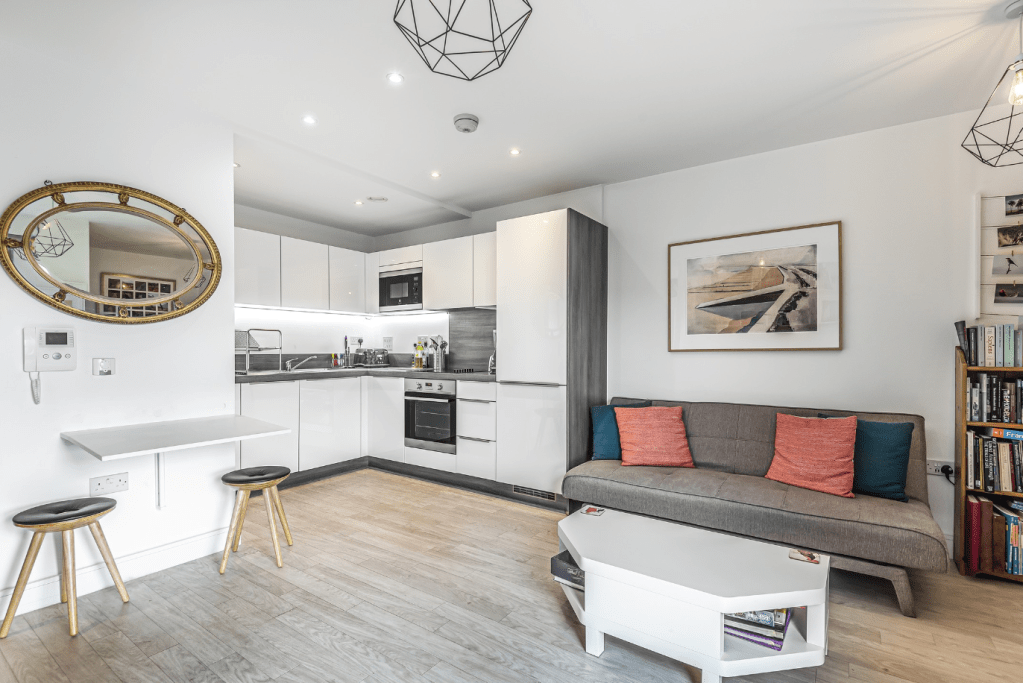
When you’re viewing a property, it’s easy to be caught up in first impressions. Light, layout, and outdoor space can make a home feel instantly appealing. But alongside instinct, practical questions can help you understand costs, neighbourhoods, and suitability for your lifestyle. Whether you’re buying or renting your next home, asking the right questions gives you confidence and clarity.
Questions to ask when buying your next home
Practical costs and maintenance
Understanding ongoing costs is essential before making an offer:
- How old is the boiler and when was it last serviced?
- What type of heating system and insulation does the property have?
- Are there any known issues with damp, roofing, or structural work?
- What is the energy performance rating? Could upgrades be needed soon?
Property history
Knowing a home’s past helps you avoid surprises:
- When was the property built?
- Have there been extensions or renovations, and were they approved?
- Any past issues with subsidence or flooding?
Vendor position and market context
Seller circumstances can influence your negotiations:
- How long has the property been on the market?
- What price did the property come onto the market at?
- Why are the sellers moving?
- Are there multiple offers or deadlines for decisions?
Also, check the local property market. If homes are selling quickly, you may need to research before viewings and be ready to act fast. If properties are staying longer on the market, you can take more time to reflect and ask questions.
Neighbours, schools, and local amenities
Your home is part of a wider community:
- Who are the neighbours and what is the community like?
- What are local schools and nurseries like?
- How convenient is public transport, shops, and healthcare?
- Are there parks or leisure facilities nearby?
Questions to ask when renting
Many questions overlap with buying, but renting has its own practicalities:
- Tenancy length and flexibility: Is it a fixed-term or rolling tenancy? If fixed, is there a break clause?
- Costs and inclusions: What’s included in the rent (e.g. bills, parking, garden maintenance)?
- Repairs and responsibilities: Who is responsible for repairs and maintenance, and how are issues reported?
- Restrictions: Are there any rules on pets, decorating, or subletting? Make sure these are written into the tenancy agreement.
- Notice to end the tenancy: What notice do you need to give, and what notice would the landlord need to give?
- Reliability: How responsive is the landlord or managing agent, and what systems are in place for urgent issues?
Viewing tips for buyers and renters
- Take notes or photos to compare properties later.
- Ask practical questions, even if they feel small.
- Imagine daily life: storage, commuting, lifestyle.
- Trust your instincts but combine them with research.
Turning questions into confidence
Being prepared with the right questions reduces stress and helps you make an informed decision. Researching, reflecting on priorities, and seeking advice from friends, family, or a property coach makes the process manageable and even enjoyable.
Whether buying or renting, a thoughtful approach turns viewings into an opportunity to find a home that suits your life, your budget, and your long-term plans.
If you’d like guidance tailored to your situation, I offer support to help you navigate viewings, ask the right questions, and feel confident in your decisions. Explore services.
 Tessa Spring
Leave a comment